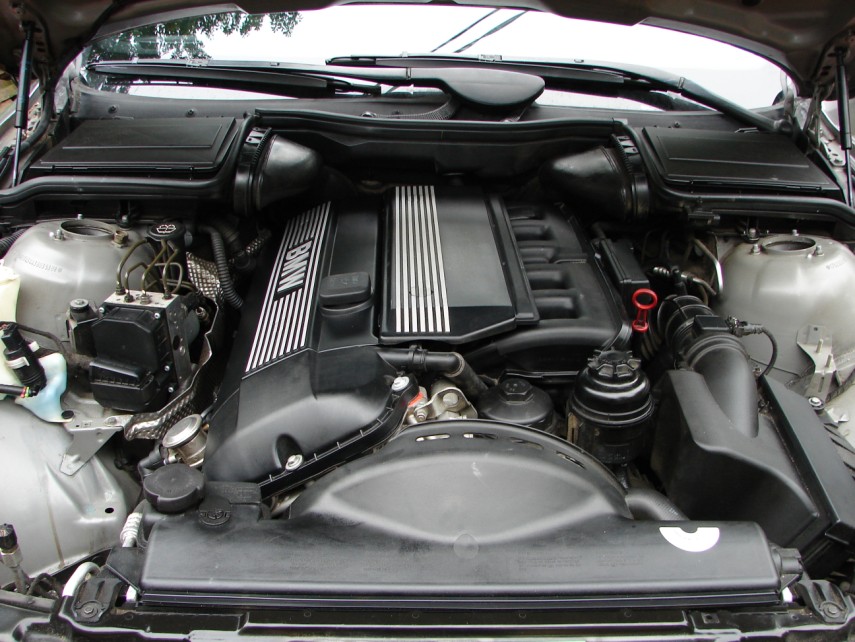
Article by: Bimmerfiver
Applies to: All BMW models with the M54 straight 6 engine.
Two months ago, while on the constant pursuit to improve my T-16 Speeder’s I6 engine performance, I replaced the CCV and all associated hoses. Using the BMW ‘Winter Version’ (where the CCV and hoses are wrapped with insulation) parts, the parts department at my local BMW Cantina urged me to replace part numbers 5 and 6 here:
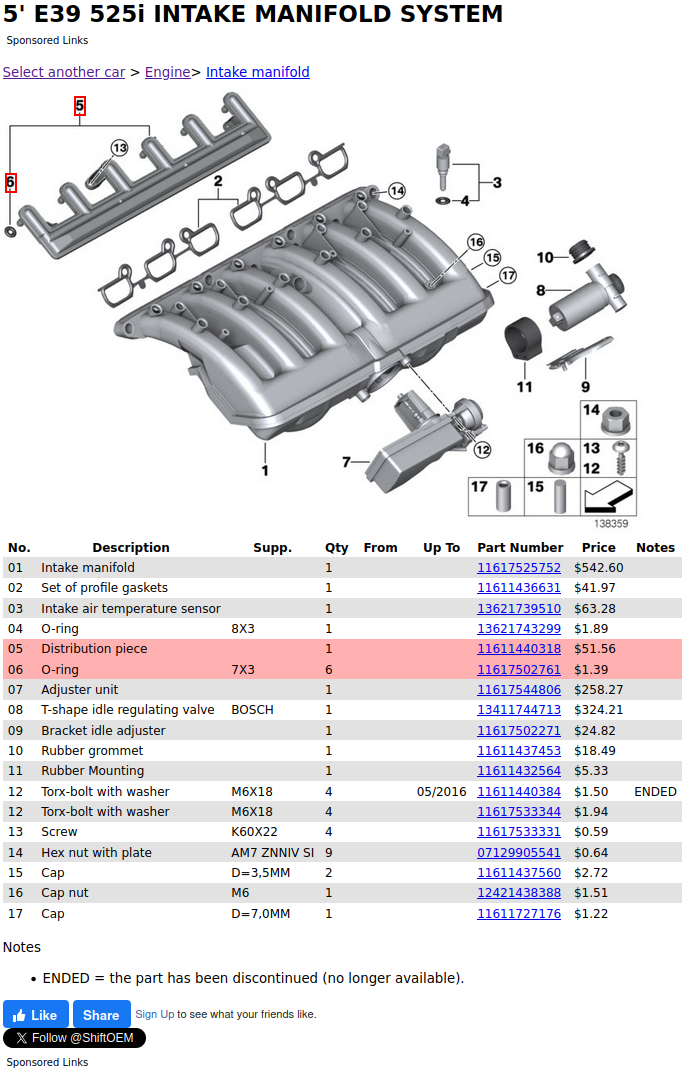
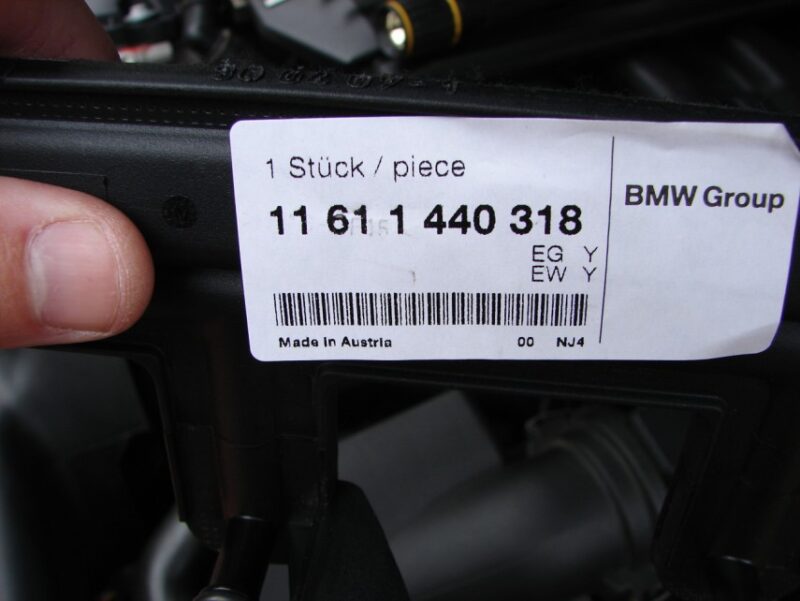
BMW refers to # 5, the plastic piece as the ‘Distribution Piece’ and # 6, it’s O-rings. Great mystery revolves around this item and not wanting to spend the $60.00, I opted to ignore them during the CCV replacement.
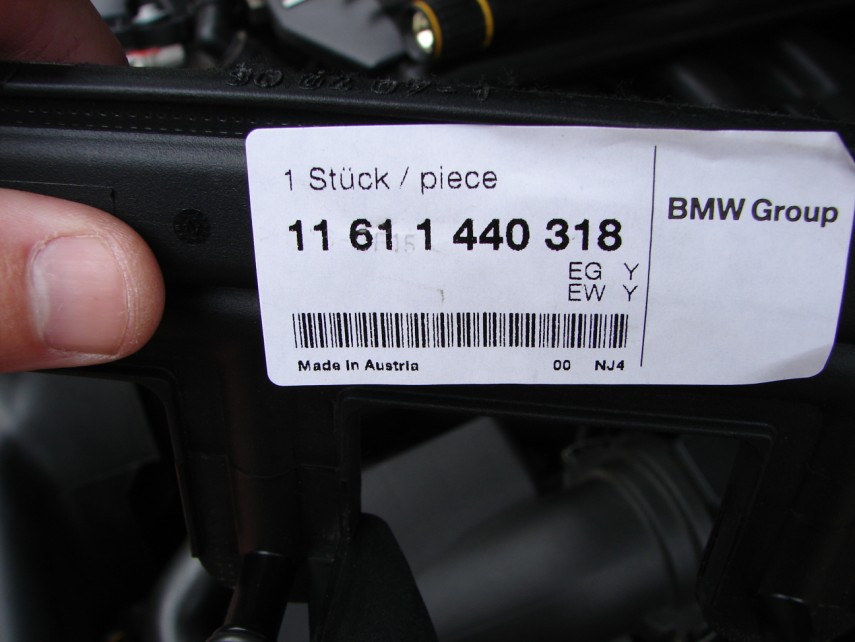
Lately, I had a sense of regret, penny wise, pound poor they say and I decided to replace these items. I would like to point out that on a scale of 1-10, this is a 2 in terms of difficulty. Also, # 5 comes with o-rings, so there is no reason to order six o-rings. I purchased six o-rings needlessly, I’ll find a use for them someday.
In the meantime, I suggest anyone with 50K miles to replace their CCV, associated hoses, use the BMW Winter Version and to also replace their Distribution Piece.
Why?
The Distribution Piece works in conjunction with your CCV; two CCV hoses attach to it! The Distribution Piece accepts some fumes as the vacuum system forces un-burned fuel, moisture and gases out of the crankcase. The six o-rings on the Distribution Piece dry out, become brittle, allowing space for a vacuum leak. It should also be noted that my Distribution Piece which is six years old and with 98K miles weighed twice as much as the replacement part…due to residue (aka un-burned fuel/moisture and gases) sitting within it.
The job should take 30 minutes, cost is about $65.00 and the benefit is peace of mind knowing your vacuum system is tight as a drum. It makes all of the sense in the world to replace this part when you are replacing your CCV as all items are connected and accessible.
I believe my idle is somewhat smoother, but I also notice the engine starts up more quickly. My engine ran like a top prior to this job as I just had my VANOS Seals, full coolant swap, VCG, plugs, air filter, fuel filter and oil replaced, but I sense the car starts up better. I also believe as I drive the car, my rpm’s drop more slowly as car’s speed decreases.
***************
Here are some items needed:
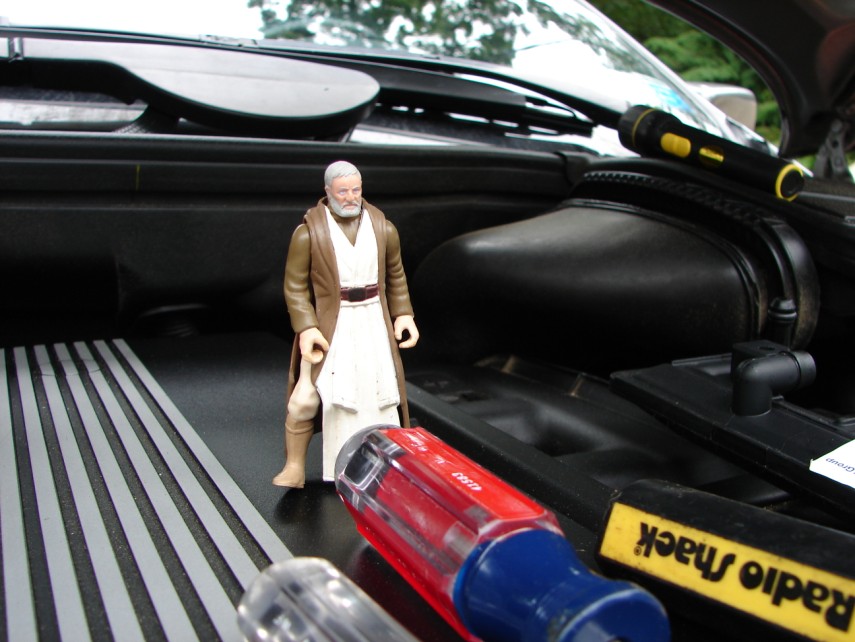
- Flat head screwdriver (to remove engine screw caps and to assist in removing the CCV hoses from the Distribution Piece)
- 10mm socket (for the two screws that hold down the engine cover)
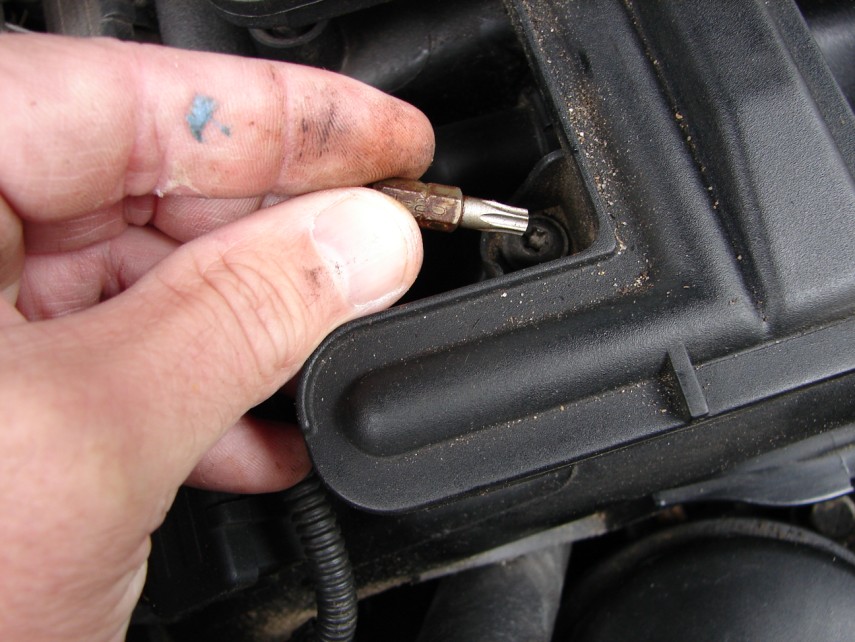
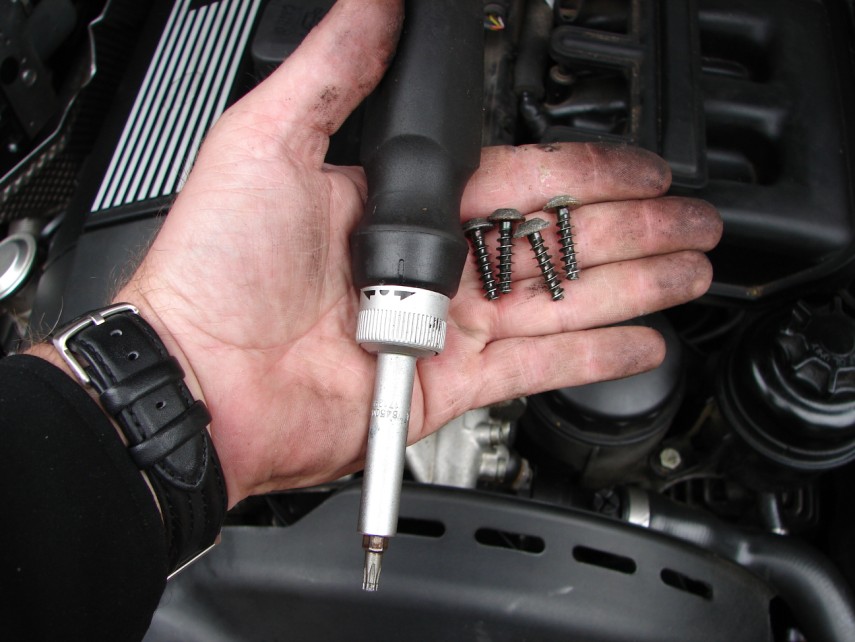
- T25 Torx (for the 4 screws that hold the Distribution Piece in place)
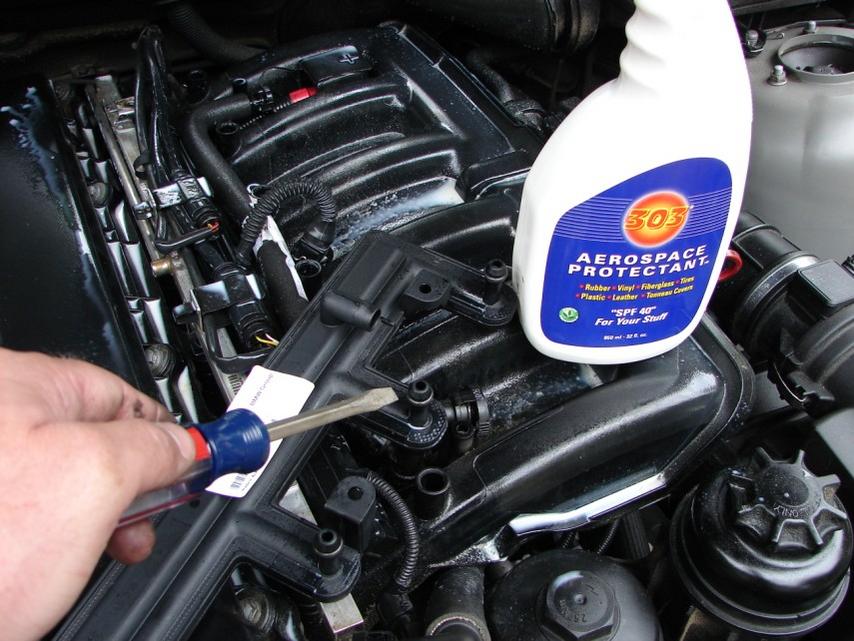
- 303 Aerospace Protectant (to moisten the o-rings)
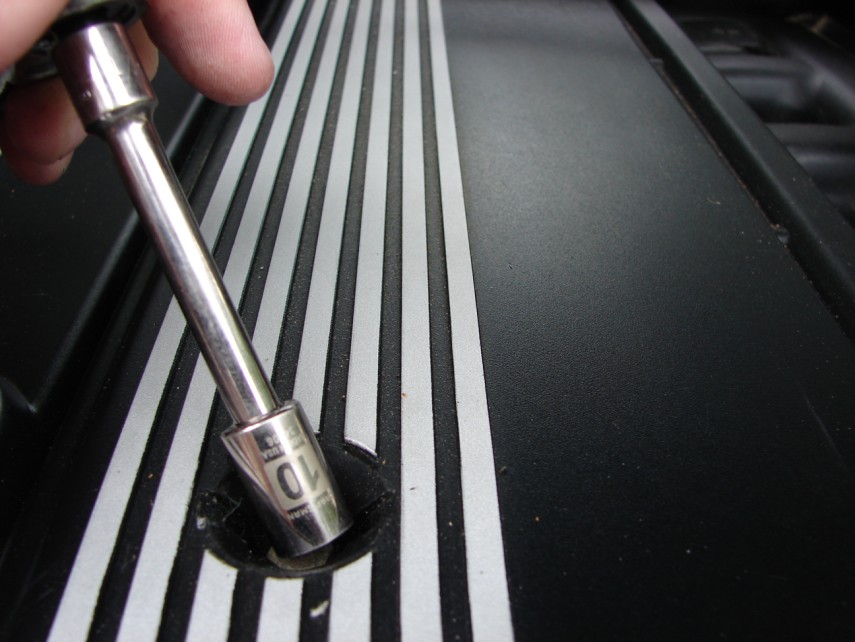
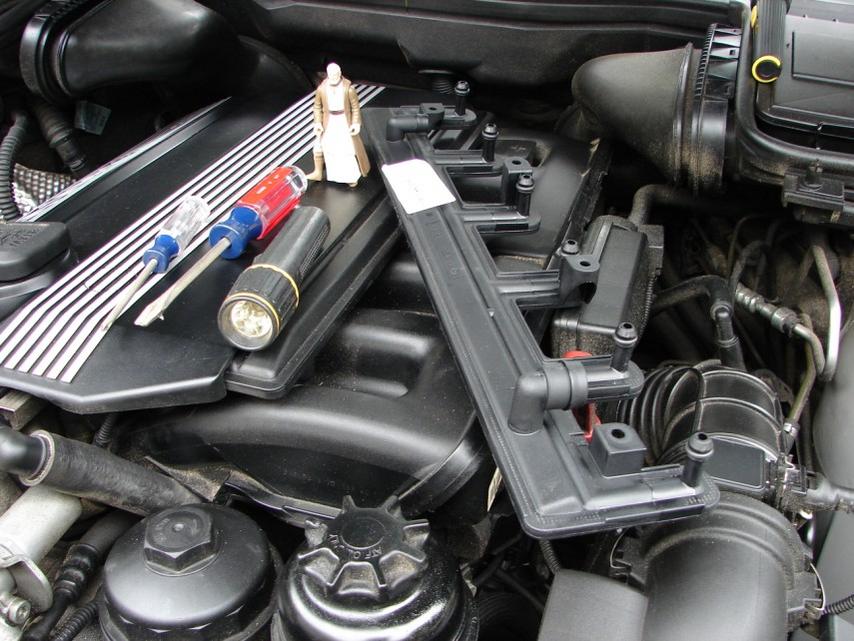
Remove Engine Cover:
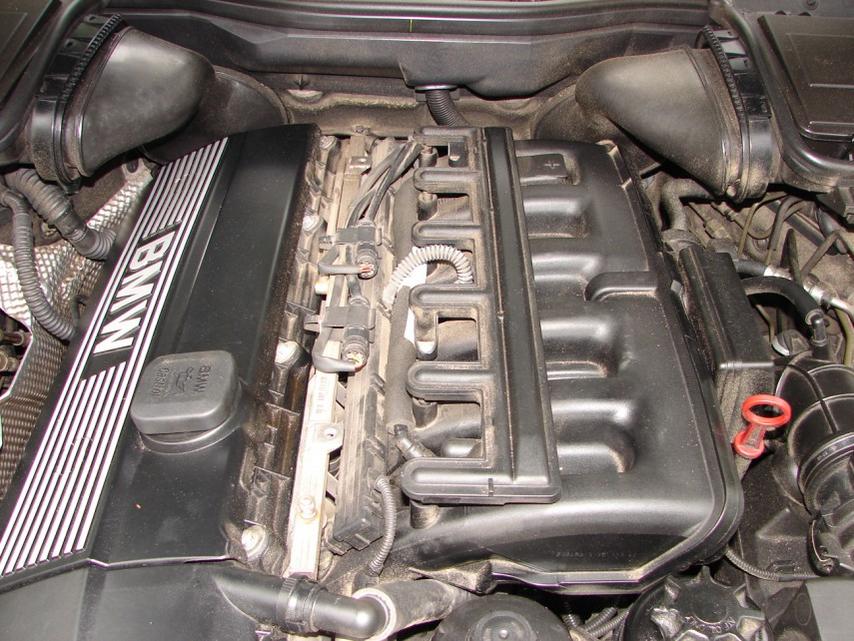
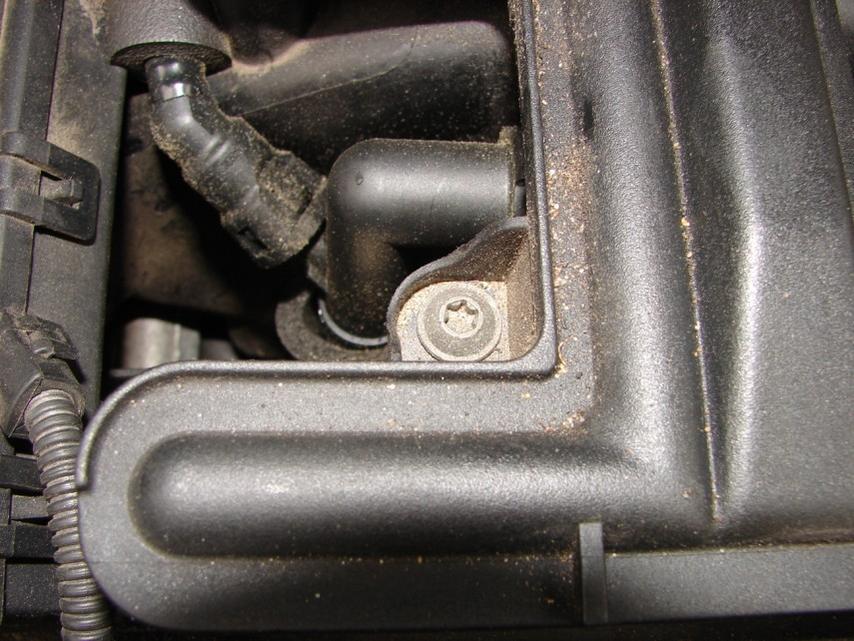
Remove 4 Torx T-25 screws on Distribution Piece:
Disconnect breather tube:
Remove 2 hoses attached to Distribution Piece:
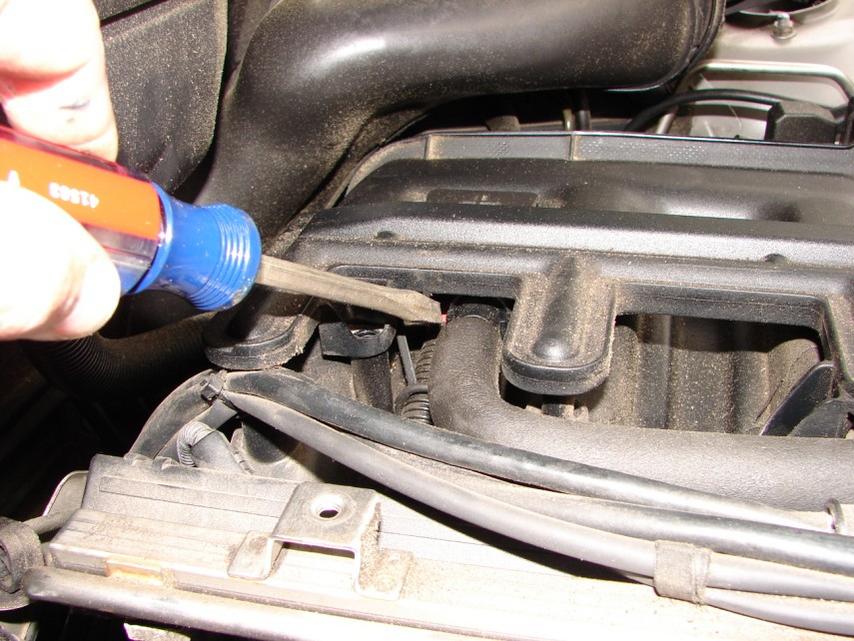
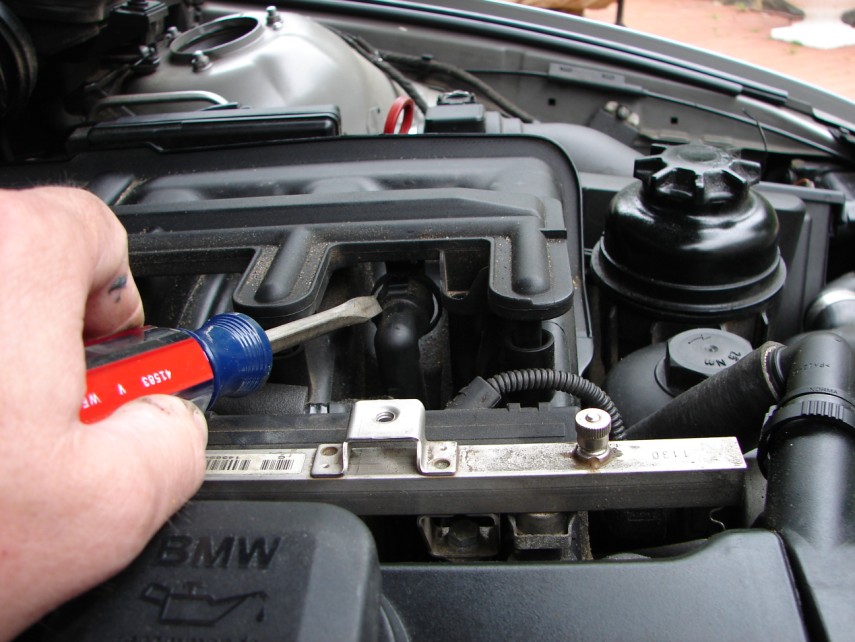
Note: The Oil/Mung/Crap left behind in the CCV hoses and the places where the hoses connect into the Distribution Piece.
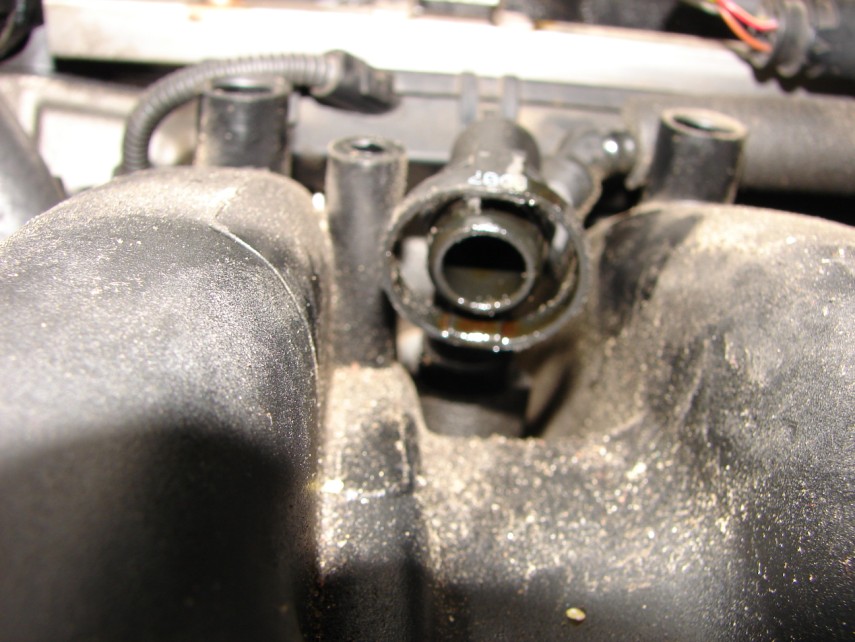
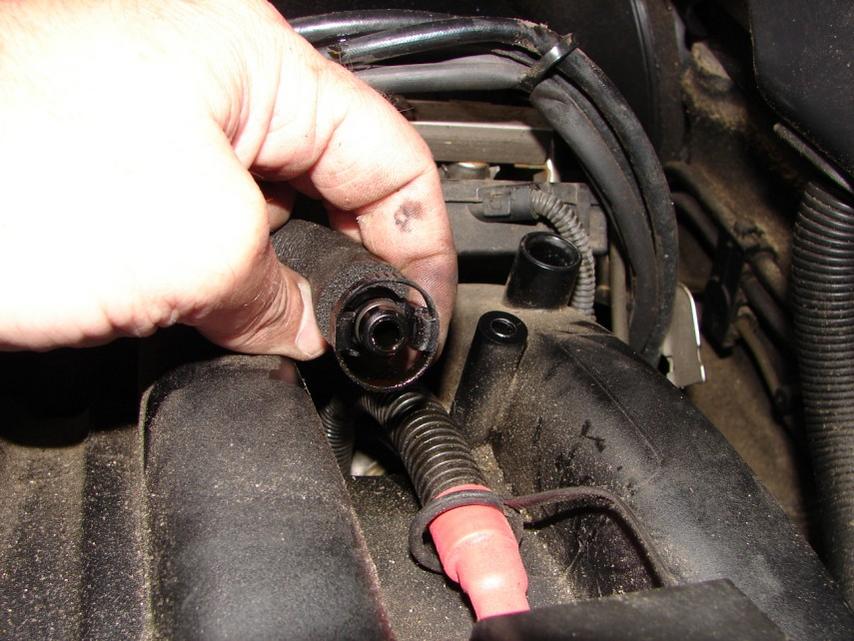
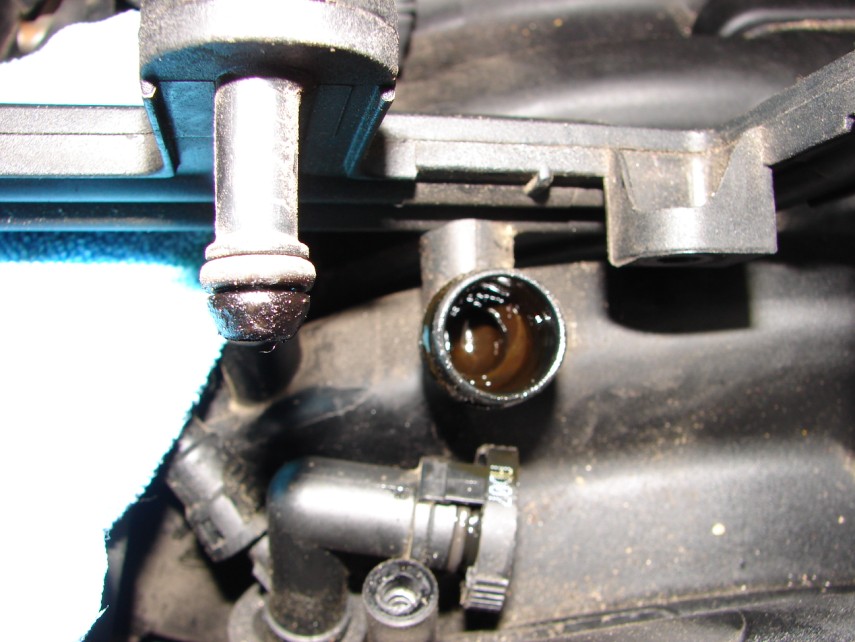
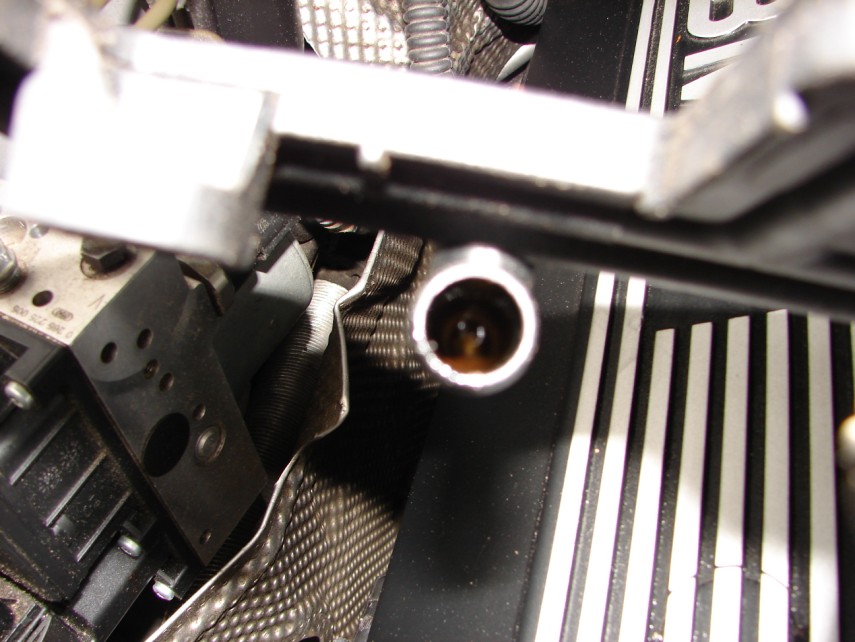
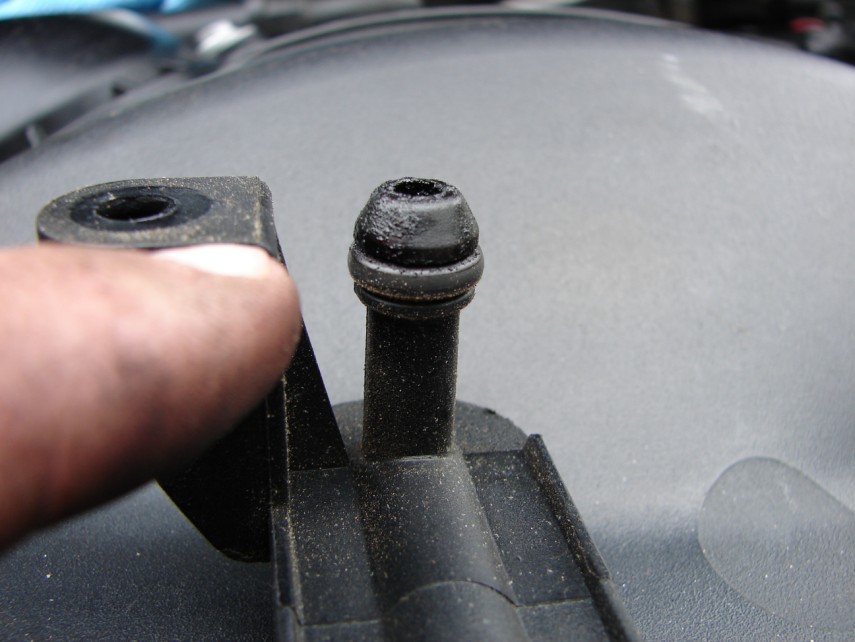
The o-rings on the original Distribution Piece are smaller and rock hard compared to the new ones. This is due to the massive heat they endure and time as they aged over six years.
Old versus new.
Moisten the new o-rings with just a little 303 Aerospace Protectant.
Install is reverse . . . connect CCV hoses, install 4 Torx T-25 screws. Then install Engine Cover.*
* Before you do, just turn the key and make certain you don’t have any vacuum leaks and the car runs smoothy etc.
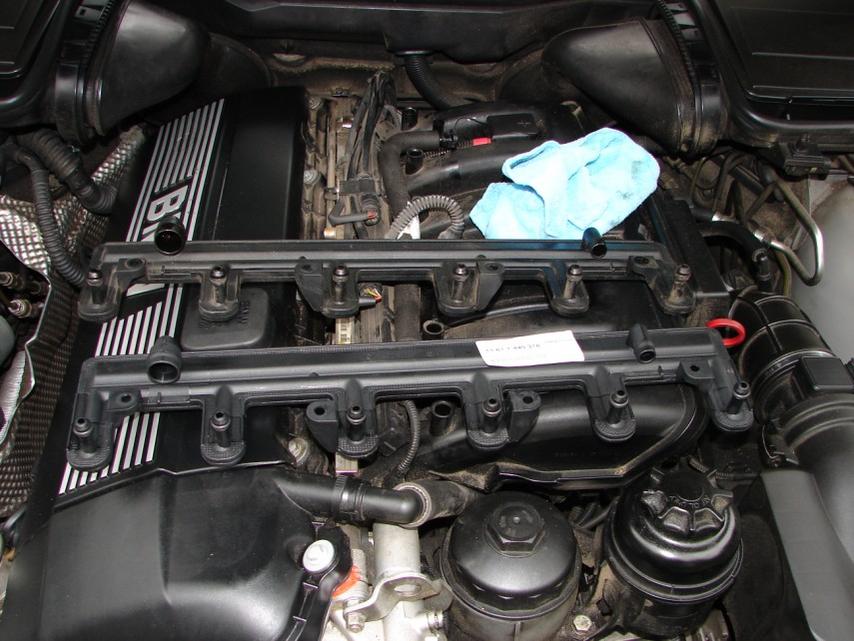
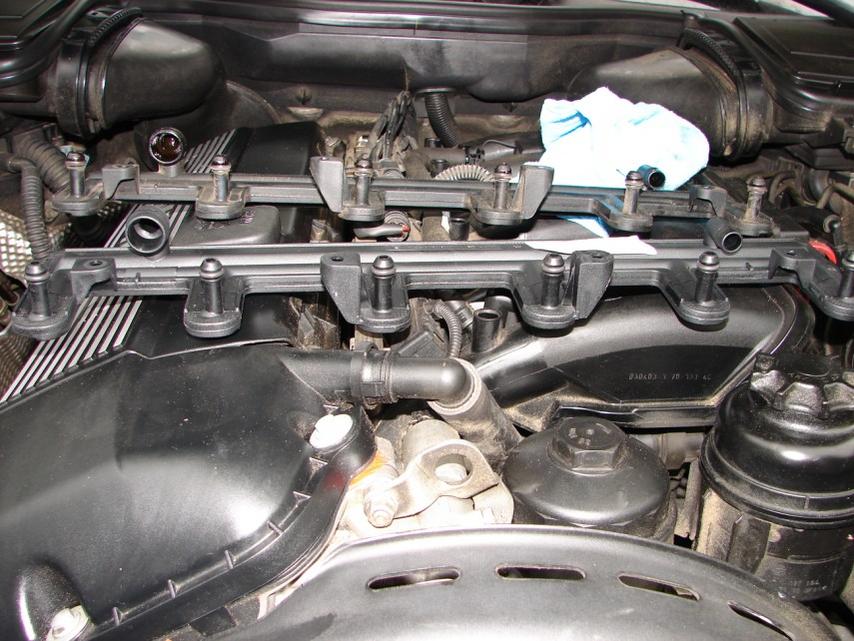
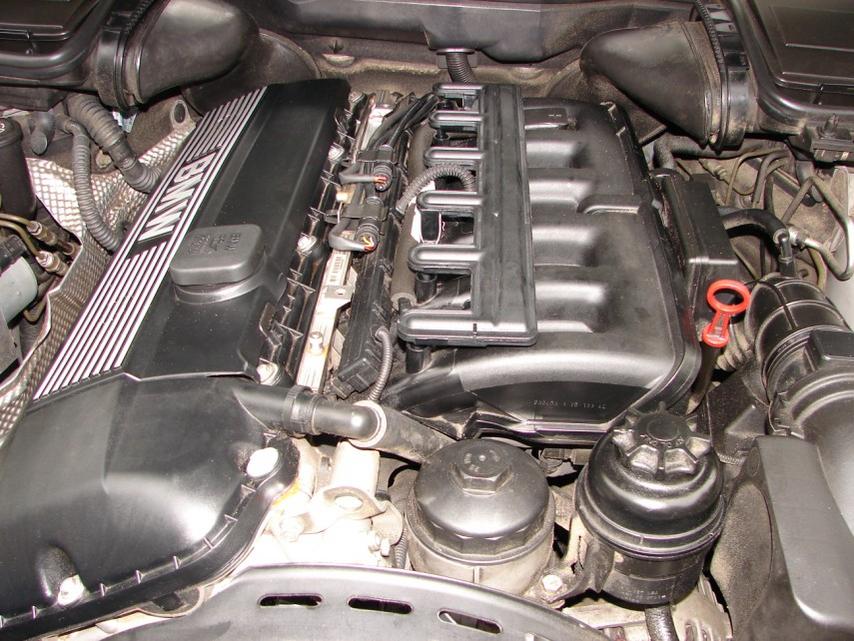
Done!
I do not lose any oil, burn any etc and yet I have to admit to being surprised by the amount of excess fumes these cars generate.
After I finished the job, the car ran perfectly, slightly better than before the job. So excited to see the vacuum work, I removed the Oil Filler Cap while the car was running…the rpm’s dropped and a Check Engine Light appeared. Hmm. My work was smooth, no issues, why the CEL?
I drove to my friends shop to use him computer. I reckoned it could’ve been the 303 Aerospace Protectant getting into the intake? Perhaps it was simply opening the Oil Filler Cap? Was it shock to my engine that now it had perfect vacuum, a change in air pressure within the system? Am I a horrible wrench, focused more on Princess Leia’s meow and not what’s going on around me? What?
The Snap-On SOLUS Computer offered P1083 and P1085. . . rich air mixture which would be a vacuum leak. We cleared the codes. I turned the key, drove around for an hour, the CEL never appeared again. I turned her off and on twenty times, no CEL. Still, I decided to pull it apart and do it again (took seven minutes). I could find no reason for a CEL, all seemed fine and I reassembled.
The car starts up like a firecracker, runs smooth as glass and is doing fine.